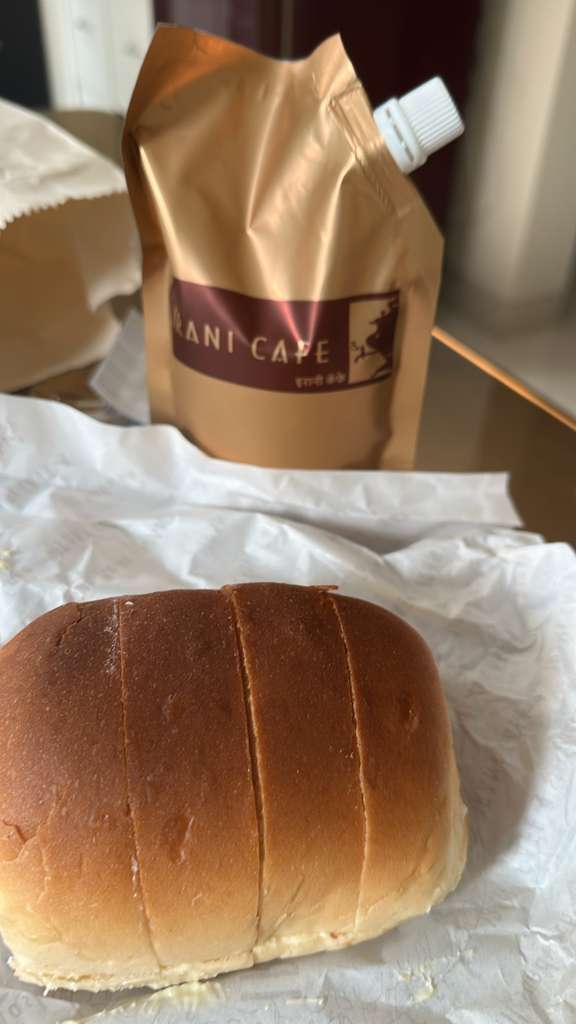
This morning began like many others in today’s digital India — with a craving. First it was Irani chai and muska pav. Half awake, I opened Swiggy, tapped twice, and within 10 minutes a neatly packed breakfast was at my doorstep. The chai was hot, the muska pav soft… and I silently thanked the army of delivery partners and developers who make this possible.
But cravings rarely follow logic.
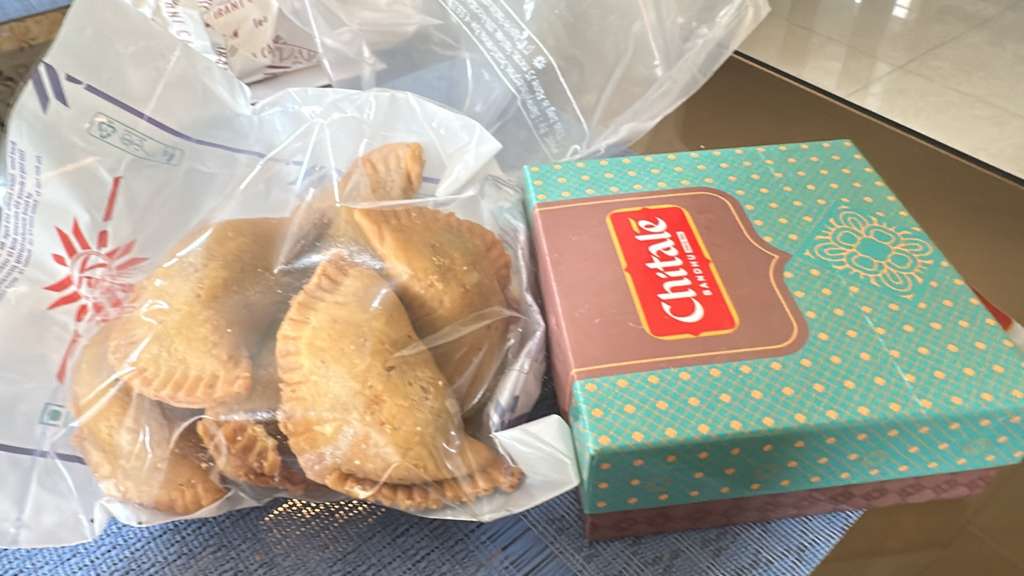
Soon, I wanted mutter karanji and mahim halwa. So naturally, I placed another order — this time from Joshi Sweets. A minute later, my phone rang. Swiggy politely informed me that the item was “finished for the day.” No drama, no cancellations, just seamless communication. A quick switch to Chitale Bandhu, a couple of taps… and both items arrived in another 10 minutes.
And the payments? Effortless. PhonePe, one swipe, done — not even a pause in the morning routine.
Actually, all of this is possible because we’re fully set up on PhonePe, a platform powered by India’s brilliant UPI payment system. We activated it earlier this year, and that day we genuinely felt liberated. Suddenly we could pay anyone — the chaiwala, the cobbler, the sweet shop, the delivery guy — instantly and without fumbling for cash.
For a while, we went on a small spending spree, intoxicated by the simplicity of tapping to pay. Only later did we realize that every “tap to pay” was silently draining our Indian bank account… and soon we were transferring more money from the US to refill it. But honestly? Still worth it.
Yesterday was no less magical. I downloaded Blinkit, set it up, ordered chikoo, guava, and a pencil liner, paid instantly through UPI — all under two minutes — and the delivery appeared in ten. A grocery run that once demanded hours now fits neatly inside a commercial break.
Later, when I stepped out, finding an auto during peak hours — once a mini-adventure — was effortless. Open Rapido, place a bid, and suddenly the impossible becomes easy. Within minutes, you’re on the move.
Even the humble street-side cobbler is part of this digital transformation. He polished my shoes in five minutes. I scanned his QR code on PhonePe, typed ₹40, and instantly his phone declared, “Payment received — forty rupees.” No change, no back-and-forth, just dignity and convenience.
And when I had to send a laptop to a friend? Simple. Porter kar dena! Book a pickup, and someone arrives at your door, collects the parcel, and delivers it safely across the city.
Honestly, I felt like a king. No hassle. No delays. Just efficiency elevated to an art form.
And now I’m itching to use BigBasket. I’m told they’ll deliver anything — whether it’s a real problem or just a random craving. The other day, someone told me a story — they sat down for lunch, realized they had no yogurt, and didn’t even blink. No stress. BigBasket it. A few taps later, yogurt was at their doorstep within minutes.
In fact, I found myself looking around the kitchen thinking, What else am I short of? What problem can I solve? But disappointingly… everything was already there. For the first time, I didn’t have a problem — and I was oddly annoyed.
This is the new India — where technology doesn’t just power business, it elevates everyday living. Where speed, simplicity, and respect for your time have become a default expectation.
If we can now make India just a bit cleaner, respect personal space a little more… and maybe encourage folks to order deodorants from Blinkit or Zepto… we’ll be truly unstoppable.
And here’s the truth nobody tells you: knowing these apps and platforms is a big deal now. We NRIs are way behind when it comes to India’s new digital superheroes. Honestly,
someone should develop an app whose only job is to make NRIs smarter — and more Indian — the moment they land. A quick tutorial on Swiggy hacks, Blinkit speeds, Rapido bidding, PhonePe wizardry, and of course, the sacred art of “BigBasket it.”
Without this crash course, half of us are just standing around — showing up with our outdated NRI fashion sense from two trips back and that classic “chosen ones” attitude — only to realize nobody here cares. India has moved on. The apps run the show now.